





 What Is Exotica Music and How It Influenced America
 What Is Exotica Music and How It Influenced America
By Tiki Brian
🌺 Introduction
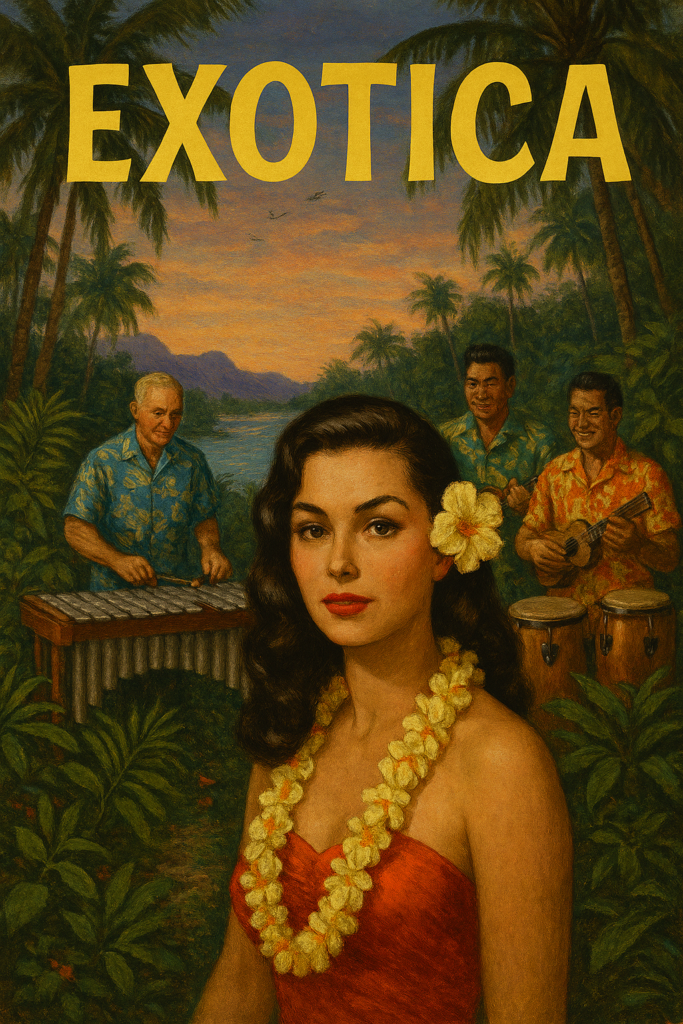
Exotica music is one of America’s most fascinating mid‑century cultural inventions — a dreamy, escapist soundscape built from vibraphones, bongos, bird calls, and imagined jungles. Emerging in the 1950s, it became the soundtrack to backyard luaus, tiki bars, bachelor pads, and the post‑war fantasy of tropical escape. Though often kitschy and culturally problematic, exotica left a lasting imprint on American pop culture, design, and the modern tiki revival.
What Is Exotica Music?
Exotica is a musical genre that rose to popularity in the 1950s through the mid‑1960s. It blended jazz, lounge, world‑music textures, and theatrical sound effects to evoke far‑off places — not real locations, but imagined ones. The term “exotica” itself was coined after Martin Denny’s 1957 album Exotica, which helped define the genre’s identity.
Core Characteristics
- Heavy use of percussion: bongos, congas, boobams, gongs, log drums
- Lush vibraphone and marimba textures
- Animal and nature sound effects (bird calls, jungle ambience)
- Melodies inspired by a mix of Pacific, Asian, Caribbean, and African motifs — often imagined rather than authentic
- A dreamy, cinematic atmosphere designed to transport listeners
As Sounds and Colours notes, exotica created “mythical, theatrical and wholly appropriated dreamscapes” that captivated suburban Americans who had never traveled beyond their hometowns.
🌺 The Cultural Context: Why Exotica Exploded in America
✈️ Post‑War Wanderlust
After World War II, thousands of American servicemen returned from the Pacific with memories of tropical landscapes. Meanwhile, commercial air travel was becoming more accessible. Americans were hungry for escape — even if only through music.
🏡 Suburban Fantasy
The 1950s saw a boom in backyard culture: patios, barbecues, and home entertaining. Exotica became the perfect soundtrack for the new suburban lifestyle — a way to turn a ranch house into a Polynesian paradise for an evening.
🍹 Rise of Tiki Bars
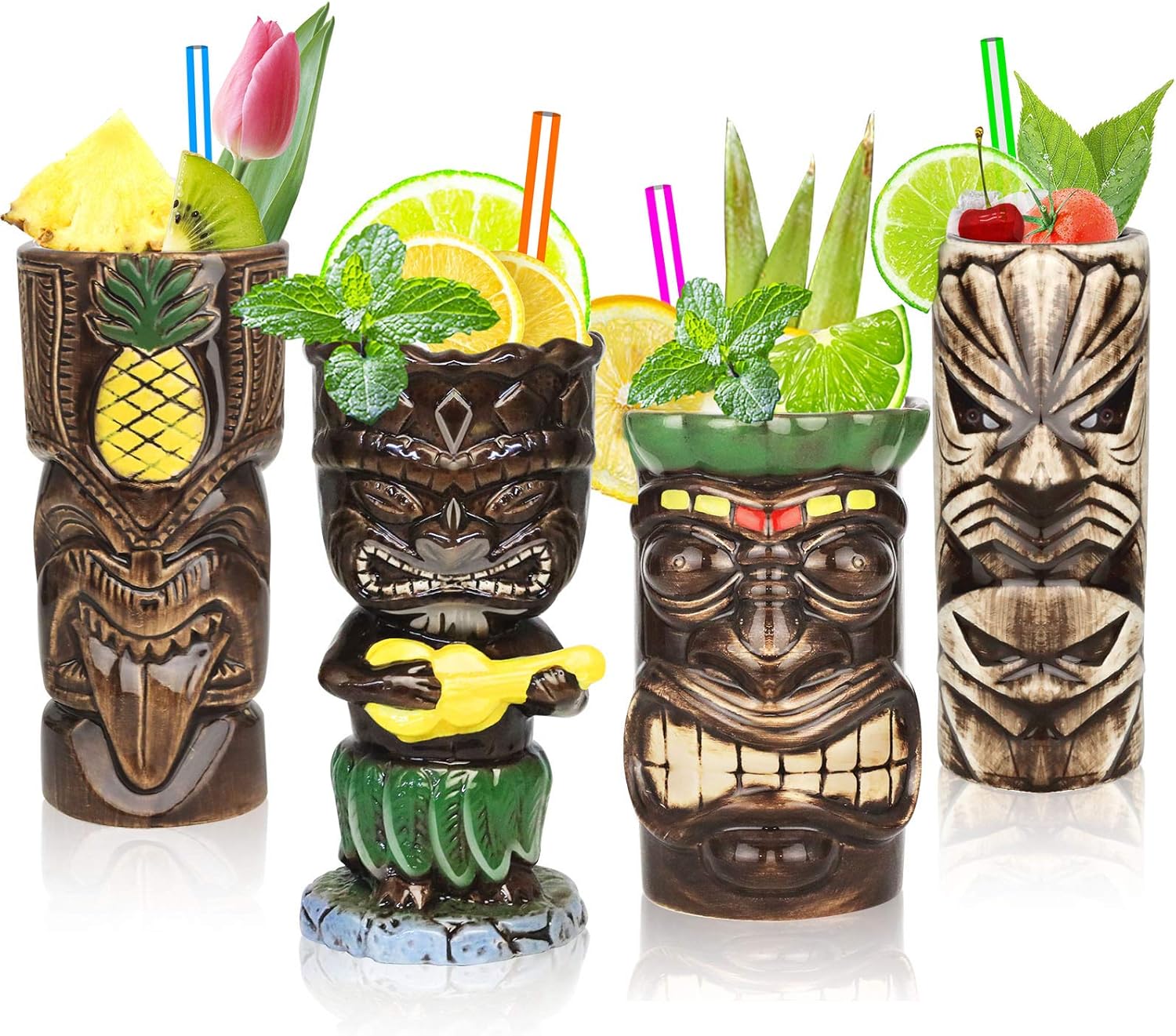
Don the Beachcomber and Trader Vic had already popularized tiki cocktails in the 1930s–40s, but exotica music amplified the fantasy. Soon, tiki bars across the country were filled with bamboo, torches, rum drinks, and the hypnotic sounds of Martin Denny, Les Baxter, and Arthur Lyman.
Key Figures Who Shaped the Genre
Martin Denny
Often called the “Father of Exotica,” Denny’s arrangement of “Quiet Village” became a national hit and helped define the genre’s sound.
Les Baxter
A prolific arranger and composer, Baxter brought orchestral sophistication to exotica, crafting lush, cinematic albums that shaped the genre’s identity.
Arthur Lyman
A vibraphone master whose group perfected the “jungle bird call” aesthetic, Lyman helped bring exotica into lounges and hotel bars across Hawaii and the mainland.
🌺 How Exotica Influenced America
1. It Shaped Mid‑Century Pop Culture
Exotica became synonymous with the 1950s–60s “jet‑age” fantasy — a time when Americans dreamed of travel, sophistication, and adventure. It influenced fashion, interior design, cocktail culture, and even architecture.
2. It Fueled the Tiki Movement
Without exotica, tiki bars would have been incomplete. The music provided the atmosphere — the sonic “transportation” that turned a bar in Ohio into a Polynesian escape.
3. It Helped Popularize World Instruments
Exotica introduced American audiences to instruments like the conga, bongos, gongs, and kotos. Though often used in inauthentic ways, it broadened the sonic palette of mainstream pop.
4. It Reflected (and Shaped) American Nostalgia
PopMatters notes that exotica became tied to “white American nostalgia” and the desire for a soft, comforting escape from modern anxieties. Even today, exotica is often rediscovered during moments of cultural stress — a soothing antidote to chaos.
5. It Influenced Modern Lounge, Chill, and Ambient Music
Contemporary artists in downtempo, lo‑fi, and lounge genres borrow heavily from exotica’s textures: vibraphones, tropical percussion, and atmospheric soundscapes.
🌴 The Complicated Legacy
Exotica is both enchanting and problematic. Its soundscapes were often based on stereotypes and Western fantasies of “the exotic.” As Sounds and Colours points out, these were “ethnographic forgeries” created by musicians who had never visited the places they portrayed.
Yet the genre remains historically important — a window into America’s mid‑century imagination, anxieties, and desires.
🌺 Exotica Today: A Revival
From vinyl collectors to tiki bars, exotica is experiencing a renaissance. Modern listeners appreciate it for its lush production, escapist charm, and retro-futuristic vibe. For many, it’s not about pretending to visit far‑off lands — it’s about celebrating a unique chapter of American musical history.
🌴 Conclusion
Exotica music is a uniquely American creation — a blend of fantasy, escapism, and mid‑century optimism. It shaped the tiki movement, influenced pop culture, and continues to inspire musicians and designers today. While its legacy is complex, its impact is undeniable. Exotica remains a sonic passport to an imagined paradise, forever echoing through America’s cultural landscape.
🌺 Exotica Today: A Revival
From vinyl collectors to tiki bars, exotica is experiencing a renaissance. Modern listeners appreciate it for its lush production, escapist charm, and retro-futuristic vibe. For many, it’s not about pretending to visit far‑off lands — it’s about celebrating a unique chapter of American musical history.
🌴 Conclusion
Exotica music is a uniquely American creation — a blend of fantasy, escapism, and mid‑century optimism. It shaped the tiki movement, influenced pop culture, and continues to inspire musicians and designers today. While its legacy is complex, its impact is undeniable. Exotica remains a sonic passport to an imagined paradise, forever echoing through America’s cultural landscape.