





The Tropical Renaissance: Inside the Surge of 1970s Hawaiian Décor and Vintage Tiki Collecting
Mid-century modern design has enjoyed its time in the spotlight, but a more colorful, textured, and unpretentious design movement is staging a massive comeback.
Across interior design forums, estate sales, and high-end cocktail bars, a distinct shift is occurring: the revival of 1970s Hawaiian décor and the exploding market for vintage Tiki mugs.
Once dismissed as campy relics of a bygone era, these items are now highly sought-after cultural artifacts, commanding impressive price tags and reshaping modern living spaces.
From Mid-Century Escapism to '70s Earthiness
To understand the current surge, it helps to understand how Hawaiian-inspired design evolved. The original "Tiki craze" sparked in the 1930s and boomed post-WWII, fueled by returning soldiers and Hawaii's transition to statehood in 1959. This era was defined by bright tropical prints, idealized island life, and highly stylized cocktail lounges like Don the Beachcomber and Trader Vic’s.
However, by the 1970s, the aesthetic shifted. The vibrant, neon-tinged palette of the 1950s matured into something more grounded, blending tropical motifs with the decade's signature bohemian, organic textures.
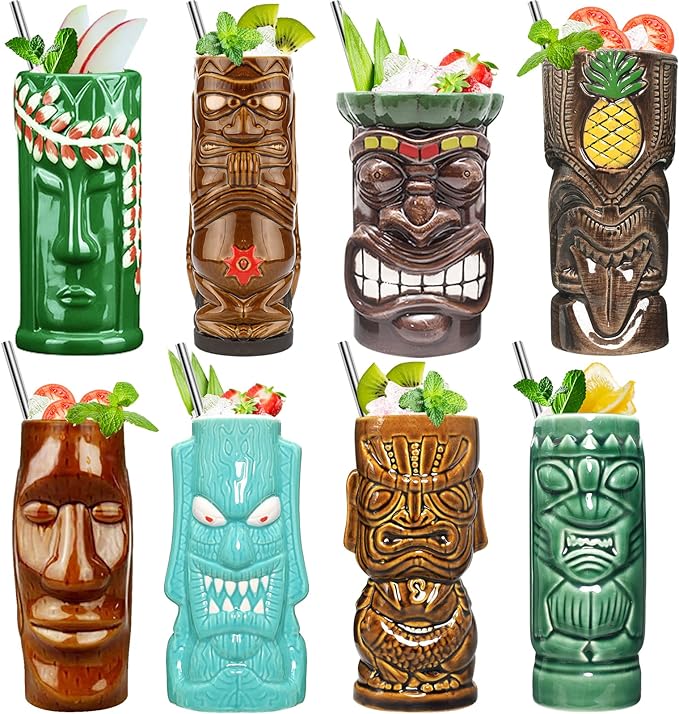
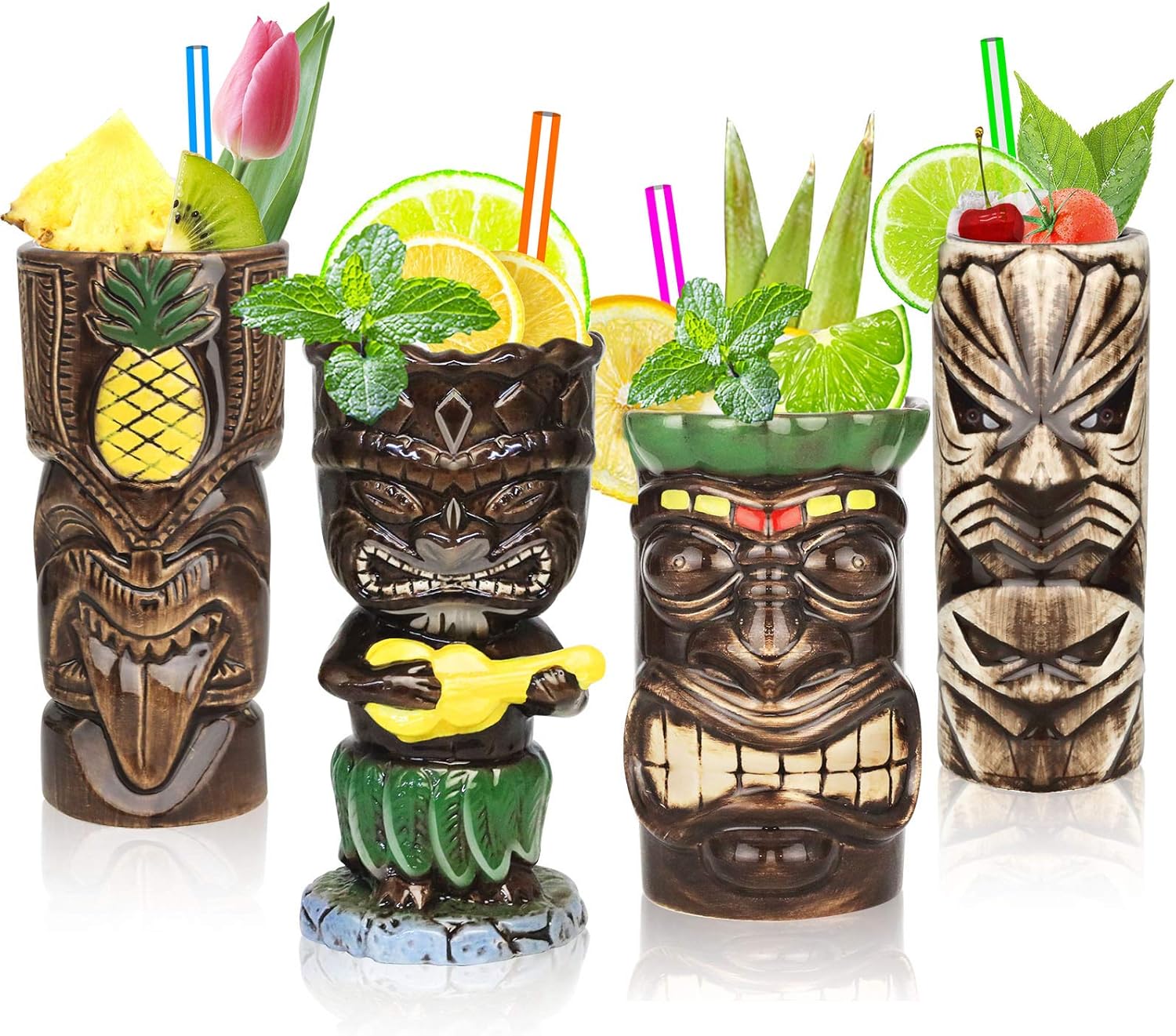
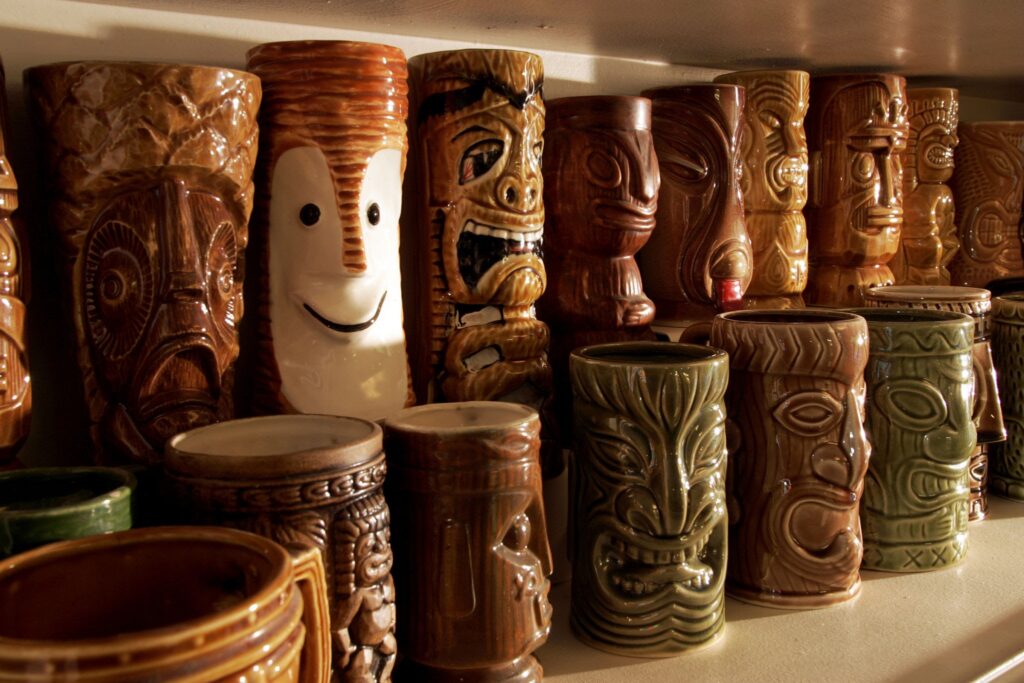 The diverse artistry of mid-to-late century ceramic tiki mugs.. Source: Mark Boster / Los Angeles Times via Getty Images
The Anatomy of '70s Hawaiian Style
Today's collectors and designers are focusing heavily on this specific sub-era, hunting down items that balance tropical flair with 1970s earthiness:
-
Woven Textures: Heavy use of rattan, wicker, and bamboo furniture.
-
Earth Tones: Instead of bright pinks and teals, '70s Hawaiiana favored avocado greens, harvest golds, deep ochres, and rich browns.
-
Botanical Patterns: Oversized monstera, banana leaf, and hibiscus prints featured on heavy barkcloth fabric.
-
Natural Materials: Koa wood bowls, woven lauhala mats, and macramé plant hangers holding tropical ferns.
The Ultimate Prize: Vintage Tiki Mug Collecting
While furniture sets the tone of a room, the absolute epicenter of this revival is the vintage Tiki mug. What started as an inexpensive vessel for rum drinks has evolved into a serious, high-stakes hobby.
Early mugs were often mass-produced by commercial ceramics companies like OMC (Otagiri Mercantile Company), Tepco, or * Orchids of Hawaii* for specific restaurants. Because these establishments routinely threw them out or let patrons take them home, surviving pieces in pristine condition have become rare.
What is Driving the Valuation Surge?
The market for these ceramics has grown intensely competitive, with rare mugs frequently fetching hundreds—and sometimes thousands—of dollars at auction.
Rarity Factor |
Description |
Market Impact |
| Manufacturer Marks | Mugs stamped by famous mid-century manufacturers (e.g., Otagiri) or specific legendary bars (e.g., the original Mai-Kai). | Multiplies value significantly; unmarked "blanks" fetch much less. |
| Glaze Variations | Limited production runs where unique or experimental glazes were used instead of the standard brown or green. | High premium among completionist collectors. |
| Condition | Absence of hairline fractures, chips, or "crazing" (the fine network of cracks in the glaze). | Critical; even minor damage can slash a mug's value by 50-70%. |
Pro Tip for Thrifting: Always flip a mug over. Look for incised signatures, manufacturer stamps, or location names rather than generic "Made in Japan" stickers, which usually indicate lower-end mass production.
Integrating the Look into Modern Spaces
The modern embrace of 1970s Hawaiian décor isn't about creating a carbon-copy time capsule; it's about a curated blend of old and new. Designers call this "Modern Tiki" or "Tropical Bohemian."
By pairing clean-lined contemporary furniture with the warmth of vintage rattan, leafy indoor plants, and a dedicated shelf to showcase a ceramic mug collection, homeowners can inject personality and a sense of permanent vacation into their spaces. It is a joyful, maximalist rebellion against years of sterile, minimalist gray interiors.