



🌺 Bill Tapia: The Ukulele Virtuoso Who Bridged Hawaiian Jazz and the Roots of Tiki
Born March 20, 1908
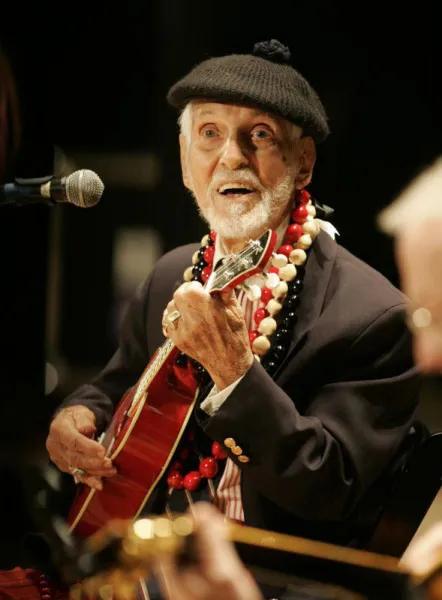
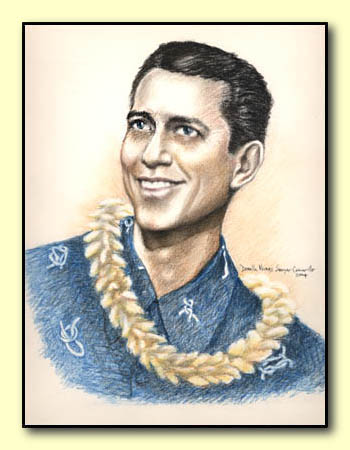
Few musicians embody the living history of Hawaiian music the way Bill Tapia did. Born in Honolulu in 1908, Tapia’s life stretched across nearly a century of musical evolution — from the early days of Hawaiian jazz to the mid‑century exotica era that would later inspire the tiki renaissance. His ukulele wasn’t just an instrument; it was a time machine, carrying the sound of the islands into every decade of the 20th century.
🎶 A Prodigy of the Islands
Tapia picked up the ukulele at age seven and was performing professionally by ten. By his teens, he was already playing for soldiers during World War I — making him one of the earliest documented ukulele entertainers of the modern era.
His style blended:
-
Traditional Hawaiian melodies
-
Swing and big band phrasing
-
Jazz improvisation
This fusion made him a natural fit for the mainland’s growing fascination with Hawaiian culture during the 1920s–40s.
🎺 Playing With the Greats
When Tapia moved to the mainland, he didn’t just bring Hawaiian music with him — he elevated it. He performed with some of the biggest names in American music, including:
-
Bing Crosby
-
Louis Armstrong
-
Billie Holiday
-
Benny Goodman
These collaborations helped legitimize the ukulele as a serious instrument in jazz circles, long before the exotica boom of the 1950s.
🌴 How Bill Tapia Influenced Tiki Culture
While Tapia wasn’t a “tiki musician” in the strict exotica sense, his influence is woven into the DNA of Polynesian Pop. Here’s how:
1. He Helped Popularize Hawaiian Music on the Mainland
The tiki movement of the 1930s–60s was built on a romanticized vision of the South Pacific. Tapia’s performances in Hollywood, jazz clubs, and big band stages introduced audiences to authentic Hawaiian sound long before tiki bars became cultural icons.
2. He Bridged Hawaiian Jazz and Mid‑Century Lounge
Tapia’s jazz‑infused ukulele style created a sonic bridge between:
-
Early Hawaiian string bands
-
The smooth, escapist lounge sound that exotica artists like Martin Denny and Arthur Lyman would later perfect
Without musicians like Tapia laying the groundwork, exotica might never have found such a receptive audience.
3. He Preserved the Spirit of Old Hawaii
Even as tiki culture evolved into a stylized fantasy, Tapia represented the real musical heritage behind the imagery. His recordings and performances kept the authentic Hawaiian voice alive within a movement that often drifted into pure escapism.
📻 Bill Tapia on ETI RADIO
At ETI RADIO, we proudly feature Bill Tapia’s music as part of our mission to honor the full spectrum of Hawaiian and exotica heritage. His recordings bring a warmth and authenticity that perfectly complements the vintage Hawaiian, exotica, and tiki soundscape you curate each month.
When listeners hear Tapia on ETI RADIO, they’re not just hearing a ukulele — they’re hearing:
-
The roots of Hawaiian jazz
-
The early seeds of Polynesian Pop
-
A living link to the era that inspired tiki culture
His music adds depth, history, and soul to the ETI RADIO experience.
🌺 A Legacy That Still Resonates
Bill Tapia lived to be 103, performing almost until the end. His career spanned ninety‑four years, making him one of the longest‑performing musicians in history. More importantly, he carried the sound of Hawaii across generations, continents, and cultural movements — including the tiki revival that continues today.
For anyone who loves Hawaiian music, vintage island culture, or the roots of tiki, Bill Tapia isn’t just a historical figure. He’s a cornerstone.